Category Archives: village life

A refined conversation

0000534There were six of us sitting at the dining table. The only husband was ‘a former naval person’, in the words of Winston Churchill signing off his telegrams to President Roosevelt. My husband wasn’t well enough to join us, so the rest of us were what some people would call old ladies, but I don’t think it had occurred to any of us.

There was the magnificent matriarch, well into her eighties, now a great grandmother, still jetting around the globe to various children and grand-children, still walking her dogs every day, still wiping the floor with everyone at bowls and golf, still giving lectures on arcane subjects to U3A, the university of the old, still beautiful, slim and elegantly dressed. She was entertaining two of the other ladies in her sea-side house, so I’d suggested they come for lunch.

One of her friends was a gardening devotee, fresh from a tour of the gardens in Melbourne …  sitting beside her, she and I discussed great Australian gardeners like Andrew Pfeiffer and Edna Walling. Magnificent matriarch’s other friend was the titled widow of a distinguished sailor, and a painter, while my other friend, who also painted and had spent her life in France, also sported a title. So you might think that we would generate a decorous and refined level of conversation. I’m not sure what triggered the subject of washing nappies, but this generated more energy, heat, and hysterical laughter than many other subjects before or since around that dining table.

We explored the horrors of scraping and rinsing, the wringing out and pegging on the line outside in freezing cold with frozen fingers. I described my primitive electric boiler on wheels, into which I placed a hose for the water. In it I put the horrid wet smelly nappies and soap powder, and boiled it up, steam filling the kitchen while a particular smell of boiling clothes would penetrate the place. When they’d boiled sufficiently, the heavy boiler had to be rolled to the kitchen sink, the nappies fished out one at a time and swung from the boiler into the sink for rinsing. We all agreed that we used a wooden spoon for this rather than the tongs. By now the kitchen was filled with steam and all the windows misted up.

The sailor’s widow claimed that her lot was worse than the rest of us. She didn’t even have a boiler, but had to fill a bucket and lug it across to boil it on the top of her stove, which then entailed heaving the boiling bucket with stewing nappies back across the kitchen to the sink. The magnificent matriarch reminded us of how the fingers used to swell with all this rubbing and wringing, and I remembered how I’d stopped wearing my wedding and engagement rings as my fingers had swelled so much.

French lady complained about the horror of having a baby sitting on your lap, and the sudden realisation that the bottom of the baby was sodden. Sailor’s widow and I swapped notes on the anguish of getting them dry in a cold climate. Her husband was stationed in Canada then, and mine in England. We carried stiff , square, frozen nappies in from outside, and draped them over a clothes horse or chair in front of the fire to thaw them and dry them. With two babies under two, I was often only one nappy ahead of each baby. No such thing as a dryer back then – a clothes horse in those days was made of wood, with hinges of heavy-duty linen.

We discussed the fine cotton inner nappy and the bulky outer terry towelling nappy, and the great day when plastic outer pants were invented, thus saving us from the trauma of the wet nappy sitting in the lap. Former naval person sitting at the end of the table sat riveted with horror at this refined lunch-time conversation, and rolling his eyes and groaning at intervals, just to remind us he was there.

We happily ploughed on eating our chicken vol- au- vent, and alcoholic dried fruit compote for pudding, his revulsion just giving an added edge to our enjoyment – maybe even revenge for the trials we had all endured. We envied flower expert’s possession of a high-ceilinged old fashioned kitchen which had meant she had room for an airing rack on a pulley to dry everything in the warm air up on the ceiling. French lady boasted that by the time she had her last child, she could order a nappy service in Paris to collect and deliver. We practically jeered at this decadence, sailor’s wife claiming with determination that she had had the worst experience with nappies, and who could argue… buckets, frozen nappies, an’all ?

Our children had it easy, we all agreed, and we had all noticed that our grandchildren never had any problems with nappy rash from their easy disposables. Threat though they are to the environment, this, we agreed was a huge plus, freeing  mothers from the guilt which we experienced if any of our babies  displayed that bright red rash, for which we blamed ourselves for not rinsing the nappies well enough, or not changing them often enough.

This burning subject and un-savoury occupation which kept five intelligent, well-educated  women from prosperous backgrounds fully occupied for years of their lives, would seem utterly trivial to today’s mothers, who not only enjoy disposable nappies, but washing machines and dryers which do the job at the touch of a button.

But today’s women also juggle jobs with housework, children and commuting. I don’t envy them. Though fifties women are considered a joke by most people now-a-days, we actually had time to spend with our children and ourselves. And our trials were very character-forming!

Food for Threadbare Gourmets

Dried fruit compote is one of the easiest luxurious puddings I know. Roughly chop about three cups of dried peaches, prunes, figs and apricots into three cups of cold tea and add rum to taste, plus a cup of brown sugar. Add a stick of cinnamon, six cloves, and two or three star anise and at least a teasp of vanilla essence. Gently heat and simmer until soft, and serve hot or cold with crème fraiche or whipped cream, and maybe a little shortbread biscuit. Peeled sliced apple and tamarilloes are also good in the mix. Add more liquid is needed.

Food for Thought

In Islam, especially among the Sufi orders, siyahat or ‘errance’ – the action or rhythm of walking – was used as a technique for dissolving the attachments of the world and allowing men to lose themselves in God.

Bruce Chatwin,  1940 – 1989  Traveller and writer


58 Comments

Filed under babies, cookery/recipes, family, great days, humour, life/style, sustainability, The Sound of Water, Thoughts on writing and life, Uncategorized, village life, womens issues

Food, fear and films


100_0087Village life takes ingenuity in a tight spot, and stamina – plenty of it!  These are the times that test men’s souls! Well, we haven’t actually had any chicken stealing like Mr Woodhouse in ‘Emma’, but life has been pretty hairy in our neck of the woods in the last few days.

Where do I start? We are a quiet law-abiding community, we look out for our neighbours, share our garden goodies, swap cuttings and seeds, and admire each other’s grandchildren. Our greatest excitement is the weekly testing of the fire alarm by the volunteer firemen.  But the other night the peace of the four hundred law-abiding souls was rudely shattered. A dog began barking as dusk fell, and continued without end for the rest of the night. I woke every hour of the night, and heard all the other dogs joining the chorus. I overslept and arose bleary – eyed, and then had to rush to attend a veteran’s memorial service in the graveyard.

I came away somewhat disgruntled that the officiating clergywoman should in-appropriately refer to the Somme as a romantic name. The Battle of the Somme was the day that the British Army lost 20 per cent of its men – 60,000 killed or wounded on one day in France, my step- grandfather being one of the badly wounded. No! Not romantic. Naturally I aired my disgruntlement back at home, and felt all the better for it! So I was quite gruntled when the phone went later that afternoon and a friend rang to see how my husband was; and since his wife was overseas, I invited him for supper that night – three hours later in fact..

Putting down the phone, my mind raced through the possibilities. We were going to have cauliflower cheese, but could I give this to a man accustomed to gourmet cooking from his talented wife? I thought of various alternatives, but I was always missing one vital ingredient. Cauliflower cheese it would have to be! We were already having Brussels sprouts and carrots with it, and toasted almonds sprinkled over the cauliflower, so I added some chopped and baked golden kumara – crisp and crunchy on the outside – soft and sweet inside. Washed down with pinot gris.

With some pumpkin soup from lunch, thinned with a little cream and jazzed up with a sprinkling of coriander, served in little gold rimmed coffee cups before we sat down, it seemed a reasonable meal, topped off with  hot chocolate sauce poured over locally made coffee ice-cream. No-one wanted coffee after that, but smoky lapsang souchong tea went down well.

Later that night, I heard the dog again. I thought: I cannot face another night worrying about it. So I jumped in the car and scouted round the neighbourhood in the dark. In the next street, I found a frantic pit- bull terrier on the loose – pacing back and forth and barking ferociously and fearfully outside a darkened house. We have no hedges or fences, just grass flowing out onto the pavement. So there he was, and I was available to him…

I went next door, where I could see a light on, knowing the people there, and hoping the resourceful man of the house had a solution. But they were visitors, who’d borrowed the house, and were dreading another night of torment. So it was up to me! The husband told me the dog had been alone for two days, was dangerous and and had frightened two children, so I revved off back home to deprive my husband of six pork sausages sitting in the fridge for him to enjoy the next day.

Back at the house, Daphne, a friend living across the road from the deserted house, was talking to the other neighbours. When I got out of the car, she hurried across, sounding so relieved to see me that she made me feel as if I was the US Cavalry. She warned me to be careful. The poor dog had now retreated to the back of the house, so while I strewed sausages around the front lawn, she went to get some water to fill his empty bowl.

Home, and a glorious peace settled back across the cottages and gardens, the only sounds the restless sea surging onto the rocks and an owl calling. So I rang the lovely Daphne, and she told me the renters had come back not long after. I tried not to regret the sausages, and hoped the dog had managed to eat them all before his somewhat callous-seeming owners returned. (There are dark rumours that they are on drugs and are up to no good!) But a good night’s sleep was apparently had by us all, both the (slightly) wicked and the (mostly) virtuous .

After all this mayhem I took myself off the cinema in the next village in the morning, as I feared the film might go off before I’d seen it -‘Performance’ – about a quartet, set in a snowy and romantic-looking  New York. When one member of the quartet has a crisis, all the others go to pieces, with all their repressed emotions and frustrations about their lives welling up. The famous quartet is in danger of dis-integrating, until they finally put their art before their distress, and play the glorious Beethoven Violin Quartet No 14 Opus 131, music which reverberates through the whole film.

A simple story, and I was glad I hadn’t read the dreary reviews of it before I saw it, as they were all uniformly patronising. So, ignorant of the fact that apparently the film had so many fatal flaws, I loved every minute, and came out walking on air, feeling joyful that art had triumphed over all!

This was thirty six hours in the life of our village for me – mundane and busy – no mystery or profound or significant events… just the daily round and common task. A spiritual teacher once said to me that our spiritual destiny is to be in the right place at the right time. So I have to accept that however mundane, this is my destiny these days – right place – right time… food for friends, fearful dogs, and flawed, enjoyable films.


Food for Threadbare Gourmets

Kumara is the New Zealand equivalent of sweet potatoes, and I love the golden ones best. I cut them to the size of a walnut, this time – normally I’d have them bigger. They were then parboiled, and when the water had been drained off, the kumara was slammed around the saucepan and flour sprinkled over them. So with a rough surface covered in flour, hot oil spooned over them and quickly baked in a hot oven, they were crisp and tasty – the crunchiness was just the texture we needed with the soft cauliflower and brussels sprouts.

Food for Thought

I don’t know where this comes from:

Weak people revenge, strong people forgive, intelligent people ignore.


47 Comments

Filed under animals/pets, battle of somme, british soldiers, cookery/recipes, great days, humour, life/style, spiritual, The Sound of Water, Thoughts on writing and life, Uncategorized, village life, world war one

Peace or Patriotism?

100_0332

Is patriotism enough? Nurse Edith Cavell first raised the question before she was shot by the Germans for treason  in 1916. She was an English nurse, matron of a Belgian hospital when the Germans invaded Belgium on their way to invade France. On the outbreak of war, her hospital was immediately designated a Red Cross hospital. For the next two years she not only carried on with the work of the hospital, but rescued and nursed back to health wounded British and French soldiers, who were then helped to return to their countries. She also nursed wounded German soldiers. She knew that she was in danger, but she said: “I can’t stop while there are lives to be saved.”

The Germans arrested her, and court martialled her for treason. Under German law she was sentenced to death. From this perspective, it seems strange that an English nurse working for a Belgian hospital in a country which the Germans had invaded, breaking their treaty of neutrality, and then ravaging the country, shooting whole villages, burning ancient cities, should have been expected to be loyal to these invaders! The Germans said that they had treated her fairly.

She raised the question on patriotism just before her execution, when she actually said that: “Patriotism is not enough”.

This phrase has been in my mind, as this country prepares for the most solemn day in its calendar – ANZAC day – a day of national mourning and unity which it shares with Australia. It commemorates the Battle of Gallipoli on Turkish soil. It was a disaster for the Allies, who lost 21,555 British soldiers, 10,000 French, 8,709 Australian and 2,721 NZ soldiers. Winston Churchill has always been blamed for it, but from the beginning of his idea, and the actual carrying out of it, something now called ‘mission drift “ occurred, in which the original idea got lost in  more ambitious schemes, but without the extra men and supplies needed for these  ambitions.

In the forty three years that I’ve lived in NZ, I’ve seen a revived connection with these ceremonies, as more people remember – though they may not understand – their history, and the heroism of their ancestors. At my age, I heard firsthand the memories of my great-uncle and grandfathers who were in the navy and the army in the First World War, so it doesn’t seem almost a hundred years ago to me.

And one of the things that always saddens me about these ceremonies and rituals in my adopted country, is that this day also becomes an opportunity for some to bash the British in their sermons and newspaper articles. So it tends to be forgotten that the British and the French lost great numbers of young men in this battle too… and that they always valued the great qualities of the NZ and Australian fighting men. This is what is called chauvinism… the dictionary defines it as:militant devotion to and glorification of one’s country; fanatical patriotism’.

And it happens all around the world, in some countries more than others. On the other hand, there are also many people around the world who have responded to Edith Cavell’s insight, and can see that patriotism is not enough. She also said:  “I must have no hatred or bitterness towards anyone.” She was not just a brave woman, but a deeply spiritual one, and had reached insights that many of us are still struggling towards.

Another one who did have those insights was the officer commanding the Turks at Gallipoli. Fourteen years after the Gallipoli campaign, some of the mothers of the soldiers who had died on the Turkish peninsula, wrote to the President of Turkey, Kemal Ataturk, asking for permission to visit the graves of their sons. Kemal Ataturk had been that commander at Gallipoli, and he sat down and wrote these words to the grieving mothers:

“Those heroes that shed their blood and lost their lives… are now lying in the soil of a friendly country. Therefore rest in peace. There is no difference between the Johnnies and Mehmets to us where they lie side by side here in this country of ours… You the mothers, who sent their sons to faraway countries wipe away your tears; your sons are now lying in our bosom and are in peace. After having lost their lives on this land they have become our sons as well.”

I can never read these beautiful words without the tears welling in my eyes….

Kemal Ataturk was the great visionary leader who transformed Turkey into an enlightened and free country back in the twenties and thirties. In two years, his drive and vision raised literacy from ten per cent to seventy per cent, and he gave women all the freedoms that men enjoyed. His early death from cirrhosis of the liver was a tragedy for Turkey and for the world.

His foreign policy was simple: ‘Peace at home. Peace in the world’. These are the words and thoughts that rise above mere patriotism, and to use those lovely old words from the Anglican prayer book are what could bring us: “peace in our time”.

Food for Threadbare Gourmets

The cemetery with the war memorial in our village lies on one side of the tiny peninsula where we live. It looks out to sea. The other side of the road, we look out to sea in the opposite direction. So since everyone gathers in the road outside our house before entering the cemetery, we always end up having friends in for coffee when the service is over.

The cake I’m doing for this occasion is an easy apple cake – I seem to have dozens of different apple cakes – and this one is quite a chewy one. Peel and slice five apples, mix with a cup of brown sugar and put to stand for 15 minutes. Mix together a cup of self raising flour, a teasp of ground cinnamon, half a cup of oil, a beaten egg, half a cup of chopped dates (I often leave this out) and three quarters of a cup of chopped walnuts. Stir in the apples and sugar. Tip into a greased and floured tin and gently press the mixture down.  Bake in a 160 degree oven for one and a half to two hours, and cool before turning out. I often sprinkle sugar over the top, and add a dash of vanilla to the mixture.

Sometimes I serve it with stiff whipped cream, and make it the day before, as it matures deliciously.

Food for Thought

Everyone has within him something precious that is in no-one else. But this precious something in a man is revealed to him only if he truly believes his strongest feeling, his central wish, that in him stirs his inmost being.

Martin Buber  1878 -1965 Austrian born Jewish philosopher

37 Comments

Filed under great days, history, military history, peace, philosophy, The Sound of Water, Thoughts on writing and life, Uncategorized, village life, world war one

The good enough life


0000787

Back in the last century, a psychologist called Dr Winnicott coined the comforting phrase ‘A good – enough mother’ …. I looked back at yesterday, and thought, yes, I suppose it was a good enough day …

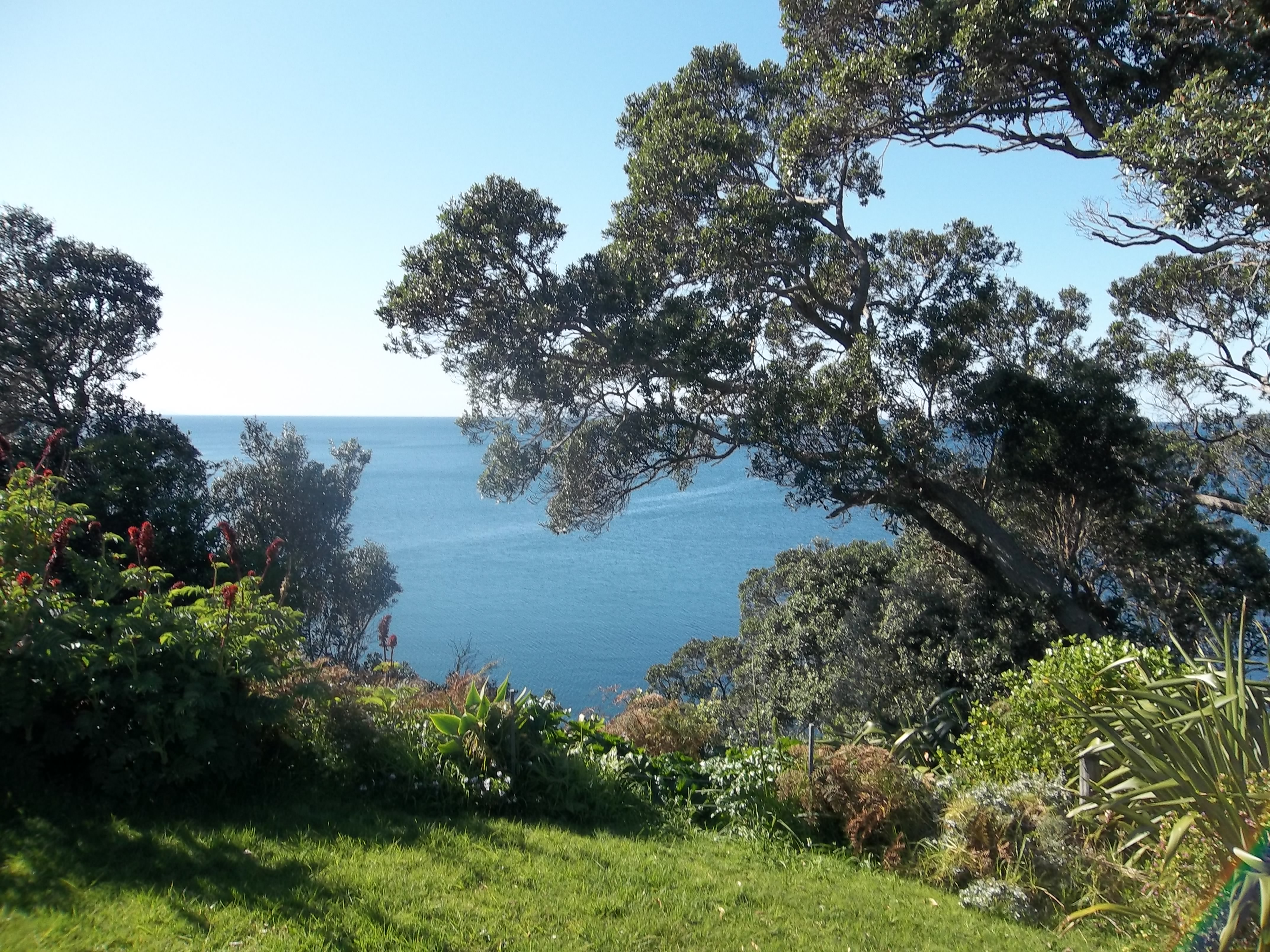
I woke to the sound of the sea smashing onto the rocks. Good, I thought. I love it when there’s a thundering sea running. Up early to take my husband for minor surgery, I went to the cliff edge to see the white foam breaking over the rocks, and looked out to the horizon. The sun was just rising, a flaming red band above the sea, fading to amber, and then to palest turquoise, the few clouds black in the pearly lightening sky. Still. Not a breath of wind in spite of the pounding waves.

I fed the birds and then drove into our nearest country town, and it was chill enough for rags of white mist to drape the hollows, and drift across the dips in the road. By the time we had reached the surgical centre, the sun was up and the burnt gold and brown fields were lying defenceless in the baking heat again. Animals lying heaped in scraps of precious shade …

Leaving the old chap to the anaesthetic and the knife, I searched for a cafe open at 7.30 to have some breakfast, and decided that Eggs Benedict would help to while away the two hours  until I fetched him. But by the time I’d picked up the invalid and driven back home with my wonky liver making its grumpy presence known, I realised that Eggs Benedict that early in the day was not a good idea.

Later the morning soared into joy with a long phone call from eldest grandson, completing a double degree in arts and science at Uni. By the time we’d debated GM experimentation and the environment, knocked off Schopenhauer and his will to live, breezed through Nietzsche, explored  his theory of the nature of pain, tried to define happiness a propos Nietzsche and his fulfilment of will,  covered the architecture of Paris, categorised various behaviours as schizoid, narcissistic etc,  explored Maslow’s concept of peak experiences, agreed on beauty, argued about the number of different species of birds, butterflies and animals, discussed his fitness regime and the nuances of rock climbing, I felt as though my brain had had its own peak experience and a mental workout as well.

I put down the phone smiling like a Cheshire cat. Nothing – not even a peak experience – beats talking to my grandchildren.  Lunch was a breeze, as a neighbour had dropped in some hot savoury scones and cheese turnovers, so I didn’t have to cook. I replenished the bird’s various feeding bowls with wheat, and then tooled back into town to the surgeon for the invalid’s dressing to be changed, and various instructions for his care. At the chemist, picking up the prescriptions to administer, I was greeted warmly by another customer, a youngish woman in a huge multi-coloured caftan to disguise her weight, and only one arm. As her joyful goodness enveloped me, I felt ashamed of my livery grumpiness.

So I’m now not only cook, bottle-washer, car-washer, gardener, log- carrier, accountant, chauffeur but also nurse. Not, my friends tell me, the sort of cheeky flirty sort that they were in their young days, “ All the men in my ward fell in love with me,” giggled one still beautiful seventy- year- old on the phone…

Stopping at the village shop for milk on the way home I found a parcel waiting for me. It was ‘Carolina Cavalier’, the biography of James Johnston Pettigrew, the other General who led Pickett’s Charge at Gettysburg. One of his descendants, a dear friend, had sent it, knowing my fascination for the Civil War.

Early to bed, too tired to start my new book – I just needed some mental knitting – so skipped happily through a Georgette Heyer. Before putting out the light, and opening the window wide so that the sound of the sea would fill the room and all the spaces of the night, I thought about that phrase, a good enough day… and remembered that old legend about the poor man who had a horse he treasured.

One day it disappeared, and all the villagers commiserated with him about his bad luck. But he brushed aside their sympathy saying it wasn’t good and it wasn’t bad. A few days later the horse re-appeared bringing with him a herd of wild horses. Everyone congratulated the old man on his good fortune, but he again brushed it off, saying it was neither good nor bad. His son began breaking in the horses, so that they could sell them, but one day he was thrown, and broke his leg.

More commiserating moans from the villagers, and once more the old man shrugged and refused to judge what had happened. While the son was laid up, the king levied a call on all young men to join the army to fight for their country. How lucky you are that your son can’t go, exclaimed the villagers. And the old man made no comment again. He never judged anything that happened, recognising that he actually never knew whether what happened was fortunate or unfortunate. Life just is.

So I looked back on another daily round filled with common tasks, which furnished all we ought to ask, in the words of the hymn, and there were unexpected gifts as well as the expected challenges. I don’t know what the hidden significance of any of it is… maybe one day I will. Maybe I will never know. Maybe I will know when I reach the other side. It was simply another good enough day. Neither good nor bad. The stuff of life.


Food for Threadbare Gourmets

I have people coming for dinner on Sunday. It started out as four of us, but visiting overseas mutual friends, means that we’re now eight. So I’ve decided to haul a small turkey out of the deep freeze. I’m also going to Benjamin Britten’s War Requiem in Auckland on Saturday night with my daughter, and a party afterwards, and know I won’t be as on the ball on Sunday as I’d like to be. So I cooked the pudding today and it will reheat perfectly. Because it’s a sort of Christmas turkey, I thought I’d do one Christmassy- type pudding, and one refresher – a lemon cream. The Christmassy option is apple crumble, the stewed apple mixed with Christmas mincemeat. It lifts apple crumble into another realm, especially with a little brandy added to the apple- mincemeat mixture, and the crumble a really rich one.

For the crumble – a big one – I used ten ounces of flour, and two of ground almonds, six ounces of butter and eight ounces of sugar, plus grated lemon rind. Mix the butter into the flour, add the rest of the ingredients, tip over the fruit in an ovenproof dish, and bake for forty minutes or so in a medium to hot oven. It will wait in the fridge, and re-heat on the day. I’ll serve it with crème fraiche.


Food for Thought

Life will give you whatever experience is most helpful for the evolution of your consciousness. How do you know this is the experience you need? Because this is the experience you are having at the moment.

Eckhart Tolle  born 1948  Influential teacher, philosopher, and best- selling author of spiritual books


55 Comments

Filed under birds, cookery/recipes, family, gettysburg, great days, happiness, life/style, philosophy, spiritual, The Sound of Water, Thoughts on writing and life, village life

Bullied by the birds

100_0117

It’s two months since I wrote a blog about the drought called Summer days and thirsty hedgehogs, and since that time we have had no rain.

The country is split between those who live in towns- and so many NZ towns and cities are on the coast – and those who live in the country. The townies, as country dwellers call them, are loving every moment of the long hot summer, revelling in long days at the beach, splashing in swimming pools, lolling around in their gardens, and sitting outside at cafes and restaurants enjoying leisurely meals in the soft twilit evenings.

Families take off at weekends with their tents and boats and kayaks for old fashioned summer camping days by the sea, in the certain knowledge that there will be no rain. At the same time country folk are measuring how many inches of water are left in their water-tanks, or joining the two or three week long queues to have water delivered. I see trees and hedges dying, and my heart aches.

Farmers are selling their stock since they can’t afford to feed them, for there is no growth in the dry brown paddocks: drying off their milking herds, and worrying about hay for the winter. Gardeners like me, are carting buckets of water from their baths to moisten around trees, watering roses and hydrangeas and salvias all struggling to stay alive in the baking heat, and trying to coax dahlias and Japanese anenomes, usually the splendour of the garden at this time of year, to open their stunted blossoms.

I fill the bowls of water around the garden regularly throughout the day, and anyone foolish enough to knock on my door with census papers, Jehovah’s Witness leaflets, or to fix the faulty electric plug for me, all get their ears bashed to put out water for birds and thirsty creatures. I’ve rung the local rag, and got my daughter to Twitter, and hope the SPCA will remember my message about ringing radio stations to remind their listeners.

But one person cannot defeat climate change! This is our third drought in four years, and in the worst one four years ago, we lost so many birds and creatures. The native pigeon population was decimated, as young birds had no water, and people talked of seeing pigeons drop from the sky, dead from de-hydration. The kiwis who dig their long sharp beaks into the ground for bugs and worms starved because the ground was so hard they couldn’t break into it, and when they did, the worms and other food had retreated deep down to damper layers of soil.

This year, another native bird, the kokako, is not breeding at all – for fascinating reasons – the females can see that there are none of the berries on the rimu trees which they normally eat, and are therefore refusing to mate, knowing there’s no sustenance for their offspring. And hedgehogs are dying of thirst.

I’m thinking I’m going to have to start feeding the birds again. I used to feed the handful of sparrows and a chaffinch couple who lived around here – under a tree a little way from the house, and where I could see from the sitting room window.I also fed the dozen or so mynahs, a little way down from the tree so they wouldn’t frighten off the smaller birds. Moist wholemeal bread for the mynahs, wheat and birdseed, and when I ran out, porridge flakes for the others. They loved it all. They told their friends. Within a couple of weeks I had at least a hundred sparrows, four or five doves, some itinerant blackbirds,  chaffinches and an occasional thrush.

They had also worked out from whence this largesse came . They waited in the plum tree outside the kitchen window and watched me until I came out with their breakfast. And for a couple of hours they sat and barracked me from the plum tree and the garage roof in the afternoon, until I sallied forth with afternoon tea – theirs.

A great whoosh of wings accompanied me to the tree. Then I had to make sure that the neighbour’s ancient lonely dog was not hovering in hope of a dog biscuit. If she was, I had to return with the bird food, and dig out a biscuit and walk her down the road with it, away from the bird food which she would have gobbled up. Dog distracted, back to the birds.

If I was out, they would be waiting for me at the bottom of the road. They recognised my white car, and swooped from telegraph pole to telegraph pole all the way down the road with the car. They’d then hover round the garage yelling “she’s back, she’s back” till I came out. If I went for a walk, they’d fly down the road with me, and wait on the corner.

Finally the worm turned. There were so many birds I couldn’t keep up with them, and was buying a large sack of wheat from the farmers shop each week, as well as extra bread for the big greedy mynahs – money I could ill-afford. The garden was becoming white with droppings, and I was back to the chaos of when I’d had a bird table. The sparrows could probably have made a pot of tea themselves, they’d watched me so intently through the kitchen window for so long.

A short holiday in Melbourne solved the problem. They gave up waiting. I felt guilty but relieved. They didn’t need the food out here in the country. It was just my hobby which had got out of hand. But now, with a hearty respect for the intelligence of bird brains, I think I’m going to have to soften my heart and help them out in this emergency.

That heart sinks at the thought of being bullied by them all again. I’ve done a lot of inner work over the years about letting go of being victim, and preserving myself from being bullied any more, but I’m not sure I can handle being bullied by the birds. It may be a step too far for my fragile self esteem, and feeding the birds may be my last big challenge!


Food for Threadbare Gourmets

We had some lovely summer pears from a neighbour which cried out to be transformed into pear and almond tart. I used the wonderful recipe for pastry which doesn’t involve rubbing the flour into the butter. Instead I melt and cool the butter and just stir it into the other ingredients. The resulting dough doesn’t need rolling, but is just pressed gently into a shallow greased tart dish. It doesn’t need pricking or weighting. Just pre-cook for ten minutes in a moderate oven. You then add the frangipane and the sliced pears and cook for three quarters of an hour or more until the frangipane is just firm.

The pastry takes 125 gm butter, melted and cooled, a generous 100 gms of sugar, pinch of salt, half a teasp each of almond essence, and vanilla essence, two generous tablesp of ground almonds and 180 gms of flour. I love frangipane, and will give the recipe in the next post. It’s the perfect base for pears, plums, apricots, peaches, and I love the sound of the word… it sounds…fragrant!


Food for Thought

An old pond  –  a frog tumbles in  –  the splash of water

One of the most famous haiku  by the most famous haiku master, Matsuo Basha  1644 -1694 He spent much of his life wandering through Japan, like the medieval troubadours and minnesingers of Europe, three hundred years earlier.


65 Comments

Filed under birds, cookery/recipes, environment, food, great days, humour, life/style, poetry, The Sound of Water, Thoughts on writing and life, Uncategorized, village life, wild life

Summer Days and Thirsty Hedgehogs

It’s high summer in our village, the sea is postcard turquoise blue, and scored with white wakes from little fizz boats having fun. I watch the big game fishing boats with tourists going out with tall fishing rods at the ready, poised to hunt giant marlin and other innocent creatures of the deep – and disapprove. All around me holiday houses are filled, and laughter and calls of children punctuate the buzz of lawnmowers.

Yesterday a homemade cricket match with children and adults on the grass across from our oak tree, filled the afternoon with joyful noise. The click of ball on bat, the shouts, the laughter, the groans, the cheers, the guffaws sounded like the archetypical holiday games of childhood that fertilise the memory, so that looking back in later years, all summers seemed sunny and filled with laughter.

This morning I sat outside in the sun having my breakfast, and watched monarch butterflies flirting, fluttering and feeding among the pink flowers of the mutabilis rose and lavatera, and rose-red cannas. Reading Anne Dillard I learn that monarch butterflies smell of honeysuckle… do they really, or was honeysuckle the last flower they’d been sampling when the researcher sniffed their beauty? The other side of the garden where it’s shady, blue hydrangeas are blooming amidst the foliage of acanthus and queen of the night, the blue African primrose is flowering profusely on the edge of the ivy, while blue agapanthus spring out of the greenery further away.

Pale blue petunias echo the colour of the faded painted wrought iron chair on which their pots rest. A tiny green silver eye dived determinedly past me and into the trellis where wisteria, honeysuckle and red and purple fuchsia tangle with each other. He rustled noisily and industriously among the leaves, eating aphids or grubs, and then flew into the plum tree and wiped his beak on a branch… didn’t realise that eating aphids was a messy business for birds!

And now, as I write this, a speckled cream-breasted thrush has just quietly hopped past the open French door, followed closely by a bumble- bee, buzzing and bouncing along the ground in an irritated sort of way. Ever since I got home from Tai Chi the neighbour’s black cat has been purring, first at my feet, then on my lap, and now on the chair beside my chair. What with the gentle susurrations of the wind in the flax bushes and the pururi leaves, the whirring and clicking of cicadas in the trees outside the window, and the receding low-tide sighing softly across the exposed sea-weed – though there is no sound of spoken word – it is not a silent world this afternoon. And since every sound is the sound of the earth getting on with the business of being, it is sweet and satisfying.

The wind which has blown across the Tasman from the terrible forest fires in Australia, has been unceasing, and the ground is dry and hard. Ponds are drying up, and birds are spending much time not just at the bird bath, but also at the dog’s drinking bowl outside on the road. Thirsty birds as well as dogs keep me busy re-filling it.  Yesterday when I went up the path with a jug to top it up, someone had dropped three one dollar coins in the bowl. I love it  – a random act of fun – and yet obviously my bowl is very tempting because it’s the fourth time in the last few years that I’ve found coins in the water!

I’ve heard several people talking about finding hedgehogs in their swimming pools, unable to get out… they don’t seem to realise that they’re looking for water. As I drove back down our road after shopping the other day, I saw a hedgehog weaving an unsteady path across the road. I stopped the car, jumped out, and picked up the little ball of prickles, and carried it home. As I delicately carried her, so as not to be impaled on the prickles, she uncurled, and I felt her warm leathery legs hang down. I stood her in the flat water bowl in the garden, so she knew in her confused state that water was right there. I left her there drinking, while I walked back to retrieve the car.

She’d shuffled off (into the piles of dead leaves, I trust) when I got back, but I’m putting out cat-food, in the hope the hedgehog gets to it before any other wild-life – like rats. I’ve also now got shallow plant pot holders all over the garden filled with water for little creatures. I hope the little thing sticks around…I like the thought of a hedgehog in the garden.

They are amongst the oldest mammals, fifteen million years old. They have between five and six and a half thousand prickles, and beautiful quizzical little faces framed by their prickles. Anyone who grew up on Beatrix Potter is unable to resist them – shades of Mrs Tiggywinkle and Fuzzypeg –  there are hedgehog hospitals in the UK, and patrols to rescue hedgehogs trapped at the bottom of cattle grids. Conservationists in this country don’t like them as they eat native birds eggs as well as all the garden pests. I am a one- woman Society for the Protection of Hedgehogs.

I found a pair of snails crawling up a big deep bowl of water I always have in the courtyard, and to my amazement, found them at the water’s edge some time later. Wasps also drink from the dog’s water bowl. With streams and ponds covered over in towns and cities, there’s little water for thirsty creatures. A hundred and fifty years ago, an English millionairesse and philanthropist, Angela Burdett-Coutts donated horse troughs and  fountains for animals in English towns … but if anyone tried to do the same now, I could imagine the red tape and town planning regulations and resource management restrictions preventing anyone from re-instating drinking places for thirsty animals.

When I lived in town I always had a drinking bowl on the pavement outside my gate. It was a big deep blue and white china bowl I’d brought from Hong Kong, and everyone told me I was mad, it would get stolen as all the students on their way to lectures, and cleaners on their way to hospital trailed past our house. But it never was, and even late at night I’d see cats drinking from my bowl, the only water around.

When we moved I asked the doctor who bought the house if he’d keep it filled if I left it there. He promised, but when I met him six months later and checked that he was still filling it, he told me it had been stolen two days after we left!

Here in my village, everyone respects my drinking bowl, except the birds who bath in it, so I’m always changing the water because it gets so dirty. Who knew that birds were so dusty! I see dogs straining at the lead to get to it – they know it’s waiting for them. And being a village, people stop to talk to me sitting in my garden, and thank me for the water. And then there are the ones who drop coins in it – I hope they make a wish as they do!

Food for Threadbare Gourmets

This is a lovely summer starter, and cheap withal! I’ve used it since I was a very new wife fifty years ago, so you could say it’s stood the test of time! You need one orange per person and some black olives. Peel it so that all the pith has been removed, cut it in half, and then slice thinly across, keeping the juice, and taking out the centre line of pith.

Arrange the slices in individual dishes, dot with olives and then pour this vinaigrette over. For the vinaigrette peel and finely chop an onion, chop two to three tablesps of mint, and one of parsley, and make up the vinaigrette – one third wine vinegar, two thirds olive oil. Mix all the ingredients together, and add salt and black pepper to taste. I add any orange juice that has run out, and only pour the vinaigrette over the oranges just before serving.

It’s summery and refreshing, and the mint and onion with the orange is tangy and different.The oranges and black olives and green mint look beautiful too.

Food for Thought

Education is identical with helping the child realise his potentialities. The opposite of education is manipulation, which is based on the absence of faith in the growth of potentialities, and on the conviction that a child will be right only if the adults put into him what is desirable and suppress what seems to be undesirable.

From The Art of Loving by Erich Fromm  1900 – 1980 social psychologist, philosopher and writer.

47 Comments

Filed under animals/pets, birds, cookery/recipes, environment, great days, happiness, life/style, The Sound of Water, Thoughts on writing and life, Uncategorized, village life, wild life

A Much Maligned Hero

If there is a list of less than attractive characteristics, my hero is on that list – alcoholic, psychopath, megalomaniac, autistic, faults and addictions, these labels are all heaped upon his well-known head.

He didn’t have an easy start in life – his American mother, a famous society beauty was too busy socialising to spend any time with him, or visit him at school; while his father was too busy with his brilliant career, and finally too embittered by his terminal illness to have any time for him at all, and never once visited him when he was packed off to boarding school at seven. His mother required him to write to her in French and frequently returned his letters unread, saying his French was so appalling that she had no intention of reading them. The wounds and scars from beatings on his back, administered by a sadistic head master between the ages of seven and nine, finally convinced his parents to send him to another school.

The one person who loved him was his nanny. He loved her  until the day she died, and was with her at her death-bed. At his schools, he was unpunctual and unconventional, and no-one had a good word to say for him. He failed his military exams, and when he finally made it into Sandhurst was broken-hearted that his father had died before seeing that at last he had succeeded in achieving something. Because his father had died young, he always felt that he would too, and since he always felt that he had come into the world to fulfill some great purpose, he felt he didn’t have a lot of time, and had to hurry!

He had a brief and brilliant military career, earning medals and commendations, and took part in the last great cavalry charge in history at Omdurman against sixty thousand dervishes. Leaving the army he became a newspaper correspondent, and while reporting on the Boer War was captured and had a famous escape, which brought him to the notice of the world. Back in England he went into politics like his father, and having by then educated himself with massive reading programmes, and developed a great gift for words and oratory, he was very successful. In the First World War he unfairly took the blame for the disaster at Gallipoli, though he was merely one of a group of people who’d been behind the scheme, there being no scope for dictatorship by second ranking politicians in the English constitution.

His career apparently ruined, he went and fought in the front line on the Western Front. After the war, returning to politics with some success, he was then vilified and disliked by most people, because he warned about the inevitable war with Germany all through the thirties. While in politics, he had worked for an old age pension for every-one and for better working hours for men and women. With an intelligent powerful wife like Clementine, he supported votes for women, but not the methods of the Suffragettes, especially after one militant feminist tried to push him under a train, and his wife only just pulled him back in time. During this time in the wilderness he supported his family by writing and lecturing.

When war was declared in 1939, no-one in politics really wanted him, from the King down, in spite of him having been proved right about Hitler and the dangers of appeasement. But the people did, and he became prime minster at the time of the greatest danger England or the world had ever faced.

For the next two years, Winston Churchill held the free world together. He not only united his country in the face of fighting a war they could well lose, against a foe whose brutality and inhumanity had already been demonstrated all over a devastated Europe, but he sustained the people in all the defeated countries. They risked their lives to listen secretly to his speeches on their radios, knowing that if they were discovered they would be shot.

“There goes the British Empire”, the American Ambassador heard a workman say as Churchill conducted him around the smoking ruins of a city hit by the Luftwaffe the night before. He was there to report to President Roosevelt on whether he thought the British were going to be able to stand up to Hitler. When the US finally came into the war when Japan attacked them, Churchill knew that with America’s might they could win the war, however long it took. But for two years he alone bore the whole burden of the war on his shoulders, and people waited to hear his speeches to raise their spirits and inspire them to hope even in such hopeless circumstances.

When night after night, London and all England’s other great cities were bombed, its citizens sometimes buried in mass graves, as in Coventry, and irreplaceable architecture, homes and churches destroyed, Churchill’s words kept the nation and the free world going.

People who worked with him were devoted to him. He was very affectionate and treated his staff like his family, inviting them to share all his family meals  when they came to stay every weekend, while Churchill worked – usually until 3am. They were part of the family, playing cards, croquet and going for walks. He had a wicked wit.  When Lady Astor said to him at dinner, “If I was your wife, I’d put cyanide in your coffee,”  he famously replied, “If you were my wife I’d drink it”. When Bernard Shaw sent him a ticket for the first night of Pygmalion, writing : “Bring a friend if you have one”, Churchill replied: “ Cannot make first night, but will come to second, if you have one”. He described an opponent (fairly accurately) as ‘a modest little man, but then he has much to be modest about!’

His capacity for work was prodigious as was his eye for detail … he sent a memo to the top navy, army and air force men telling them to give dignified names to operations, saying if a mother heard that her son had been killed in a battle with a silly name like ‘Operation bunny hop’, it would diminish the dignity of her dead child. He began every memo to his staff:  “ Pray… could you …etc.”  He cared about people, and was devoted to his wife and family after his miserable childhood. He was a talented painter as well as writer, who won the Nobel prize for literature for his four volume series  ‘The History of The English Speaking Peoples.’

He was often inconsiderate and sometimes arrogant, but never mis-used power, his proudest boast being that he was the servant of Parliament and the English people who elected him.  And when his party lost the election as the war was ending – in spite of the love the people had for him – he told every-one that they had to respect the will of the people.

And in old age he could still laugh at himself … when a nervous MP whispered to him that his fly buttons were undone, he replied ‘Never fear, the dead bird never leaves the nest.’ His beloved private secretary Sir John Colville said that he never saw him drunk, though champagne and brandy were his favourite tipples. And as for the other labels … I’m sure he’d rebut them with that old English saying; ‘ Sticks and stones  may break my bones, but words will never hurt me…’

What a man!  I think he’d prefer: What an Englishman! And yet he was deeply proud of his American ancestry too. When his dark- eyed, dark- haired mother died, it was reported that her face bore: “all the hallmarks of a native American inheritance”. His descent from another great Englishman and soldier, John, Duke of Marlborough, was the inspiration for his belief in his destiny … which could be summed up quite briefly – to save the free world.

Food for Threadbare Gourmets

Hot summer days, and heaps of fresh vegetables – many from the gardens of my lovely neighbours. So today, it’s crudités with that lovely mayonnaise made with my new mixing stick in the last recipe.  Fresh batch today with garlic added, making it aoli, to be eaten with hard boiled free range eggs, fresh raw baby carrots, tomatoes warm from the sun, new potatoes from a neighbour’s garden – cooked with fresh mint –  cucumber and a jar of artichokes. We’ll start with some sweet corn dripping with hot butter, the corn almost pearly, it’s so fresh … fresh purple plums with that dusty bloom on their skins to end with … a summer feast ….

Food for Thought

History with its flickering lamp stumbles along the trail of the past, trying to reconstruct its scenes, to revive its echoes, and kindle with pale gleams the passion of former days. What is the worth of all this? The only guide to a man is his conscience. The only shield to his memory is the rectitude and sincerity of his actions. It is very imprudent to walk through life without this shield, because we are often mocked by the failure of our hopes and the upsetting of our calculations; but with this shield, however the fates may play, we march always in the ranks of honour.

Extract from his tribute to his old opponent Austen Chamberlain on his death,  by Winston S Churchill 1874 -1965  politician, writer, painter, visionary leader

47 Comments

Filed under cookery/recipes, great days, history, humour, life/style, military history, The Sound of Water, Thoughts on writing and life, Uncategorized, village life, world war one, world war two

Return to the Joy of Blogging

Bloggers return – some of the balls I was juggling have now rolled down-hill metaphorically, others I’m still tossing in the air, and catching.

In spite of the wonderful messages received when I bowed out, I had begun to sink into a little pit of my own making in which it seemed arrogant to expect other bloggers to read my writings… in fact, I suddenly lost confidence in myself.

But as time has passed, to my amazement, people are still reading my blog, and clicking on likes and follows, and some blogger friends have sent messages of support and comfort, so I’ve taken the plunge again, and am returning to the joy of blogging.

I’ve comfortable now with the fact that this will only ever be a little boutique blog, as it were, and I will never again (I think) become hooked on the ups and downs of stats! So back to the joy of writing for its own sake and the fellowship of bloggers … who I’ve continued to read.

I’m sitting at my desk which is just by the French doors onto the veranda. When I look up, I see the turquoise sea framed by the red blossoms of the pohutakawa tree at this time of the year, and watch the fishing boats chug out to sea. The veranda itself is fringed with the fresh green leaves of white wisteria which grows around the outside. In spring the long white racemes perfume the veranda, and now, the scent of a datura at the bottom of the wilderness part of the garden, reaches my desk.

This long room stretches the width of the house, so that when I go to the other side of the house, and open the French doors at that end, the ravishing smell of the queen of the night pervades the front garden. Especially when it rains.

As I write, a shining cuckoo is singing its piercingly sweet song, and a thrush, now relieved of the cares of parenthood, and forsaking the empty nest in the honeysuckle by the garage door, is warbling joyfully somewhere near the oak tree. And the sound of water is the background to their song as waves break on the rocks below.

It’s that peaceful lull after all the hustle and business leading up to Christmas. The tail end of a cyclone has passed through, leaving us with drenched gardens – but clear bright skies and sparkling blue sea. The orcas I had seen came back and a pod of six, including two babies, took over the next bay, chasing a swimming dog, and going “ viral” as they say, all over the internet.

In the lead-up to Christmas, everyone gets their lawns mowed, the wide grass verges by the road trimmed, and their gardens manicured. Then the tents and canopies start going up, and families arrive from all over the country, and camp on front lawns for Christmas.

Christmas – time in this country is hedgerows festooned with billowing banks of climbing pink roses which I think must be Dorothy Perkins. They grow wherever settlers farmed over a hundred years ago, and have scrambled along dusty lanes and country roads ever since.

Christmas here is also blue and white agapanthus which too, have spread along road sides, and gracefully adorn banks and garden entrances, even though this spectacular flower is now condemned as a noxious weed! They bloom at the same time as the pink roses and the red and orange flax flowers, from which the turquoise and black tuis suck nectar with their long beaks.

The red blossom of the pohutukawa tree, the New Zealand Christmas tree, and flaming orange cannas spreading alongside the blue agapanthus, are also part of the brightness and exuberance that is part of an Antipodean Christmas. No spare leafless trees, pale skies and frosty hillsides here. Instead it’s the peak of summer before the flowers wilt and the hills go brown in the blazing sunshine which always seems to arrive with Christmas.

On Christmas Eve, I drove through pouring rain to our nearest big village in search of a half bottle of rum, to make a coffee and rum sauce for the walnut- coffee meringue gateau. Through the wind-screen wipers I saw a dead bird on the road ahead. I picked out the speckled wing feathers and coral- red head of the bird, and recognised a banded rail. These are rare flightless native birds which live on an island sanctuary out to sea.

I had found a baby corpse on the road some years ago, and put it in the deep freeze, before contacting the Department of Conservation. They were rapt, came rushing out and dashed off with the pathetic little frozen body to put it on their map. They knew the birds had reached a spot on the mainland quite a way from here, but had no idea they might have spread to the mangrove swamps where I had found it.

The bird which I now wrapped in several plastic bags (thank you, maligned plastic bags!) was full grown, and heartbreakingly beautiful with its long pointed beak for digging into mud for food, delicate markings and elegant little legs and clawed feet. It spent Christmas Day and Boxing Day in the deep freeze, amongst frozen bread rolls and my husband’s emergency steak pies, and today I rang the department. Out they came again, and even remembered the last one I had delivered into their hands. Very satisfying to know that a rare breed seems to be multiplying nearby.

And now the New Year looms… I was rather sorry we survived the end of the world. I’d been looking forward to annihilation in a split second, and no more wars, no more cruelty to animals, children, women, men, or the planet! I had thought it would be great to have a fresh start somewhere down the track, and do it right next time – peace on earth – goodwill to all life, animal, vegetable and mineral, and all people whatever their colour, race, religion or sexual orientation.

It would also have been great in that distant future to acknowledge that there is only One Creator, whatever we choose to call him/her or it, Dieu, Yahweh, Allah, Lord Vishnu, Great Spirit, Gott, Divine Source, and therefore no need for religious wars, hostility, judgement or condemnation….  but it seems that we have to clean up our own act now, before we can have that peaceful future!

Maybe one way to start would be to take fourteen year old Minnie Haskin’s advice. George the Sixth, the Queen’s father, used these words to hearten the nation in his Christmas broadcast in 1940, when the islands of Britain stood alone against the terrifying brutality of Nazism.

“And I said to the man who stood at the gate of the year: “Give me a light that I may tread safely into the unknown.”
And he replied:
“Go out into the darkness and put your hand into the Hand of God. That shall be to you better than a light and safer than a known way.”

Food for Threadbare Gourmets

Our plum tree is bowed under the weight of a lavish harvest of dark purple plums which are only so-so for eating raw, but delicious when cooked. Every-one who receives a basket of these fruits also gets the recipe I use – borrowed from Nigella Lawson.

To a kilo of plums – more or less, use 300 ml of red wine – more rather than less! Nigella says stone them – I don’t bother, the stones come out quite easily when cooked.

Put the plums in an oven proof dish. In a saucepan boil the wine with two bay leaves, half a teasp of ground cinnamon, two cloves, one star anise, and 200g of honey. Pour over the plums, seal with foil or a lid, and bake for an hour or longer at 160 degrees, until they’re tender. You can keep them in the fridge for three days, and you can freeze them.

Serve with crème fraiche, ice-cream, or custard. I also think they’d be good with rice pudding on a cold day.

The aromatic scent while they are cooking is so delectable that I’d love to catch it in a bottle and spray it regularly around the kitchen.

Food for Thought

A man cannot be comfortable without his own approval.

Mark Twain   1835 – 1910  Great American writer, humorist, publisher of Ulysses Grant’s memoirs, friend of Helen Keller. Abolitionist and anti- segregationist, anti- vivisectionist, anti- imperialist, pro women’s rights.

Born when Halley’s Comet was closest to the earth, and died the day after its return seventy five years later..

He also said; ‘Be careful about reading health books. You may die of a misprint.’

94 Comments

Filed under birds, bloggers, cookery/recipes, environment, food, great days, life/style, peace, philosophy, spiritual, The Sound of Water, Thoughts on writing and life, Uncategorized, village life

Nothing Is Trivial

It’s ten thirty in the morning, and already I feel as though I’ve lived through several days. I awoke to my usual pattern, get up and put the kettle on to take a tray of tea back to bed. While the kettle’s boiling, I pull back the curtains and check the stats and read any messages. Then back to bed with the tea tray, followed by meditation, and getting myself going.

Before breakfast I looked at the e-mails, and answered a query to the printer about the cover of a new book. Packed up some other books to send to a library supplier, and calculated that I had to get some more muesli for the old chap’s breakfast, and some undercoat to start the process of painting the new table and chairs – every-one is appalled by this vandalism – but I always have white rooms, and there’s no way I’m going to live with an expanse of heavy dark wood.

It got so late that I decided to skip breakfast, and go straight into the next door big village to get all the posting parcels and shopping done first thing, and then leave the day free for checking proofs, getting on with the washing, reading and commenting on blogs, and planning some stories for a magazine deadline.

At the big village, I bought my groceries, and checked up on Prasad, the Indian genius who’s transformed the tatty old shop into a spick and span grocery. He’s leaving, and all my friends have charged me with the office of finding out where he’s going … he’s given some of us nick names, and mine is ‘Girl”. Off to the hardware store for the paint, and a discussion about cockerels, as one of the genus was stretching its lungs somewhere nearby. We discussed the cockerel in town which has taken up residence with the vet, and sits on his veranda nestled up to his cats when it’s not strutting around the court rooms next door.

On to the lovely coffee place, where I enjoyed a good flat white with chocolate sprinkled on it, and a piece of iced lemon yogurt cake with cream, and raspberry coulis (oh dear). I sat in the window by the river, and watched the village cat peering into the ornamental runnels of water stocked with goldfish which edge the market square. My amusement turned to horror as the little black rascal leaned over and fished out a struggling orange body. I FELT the crunch of the sharp teeth piercing through the scales of the wriggling, doomed goldfish, then the cat ran off with it between her jaws.

When the girl delivered my coffee I mentioned to her the cat’s shameless bite and run, and she told me her mother had eight cats and a goldfish pond. “She put one in the water, and they gave up hunting the fish then,” she laughed. She then began to list the dogs they owned, starting with a pit bull. “Oh, the darling thing”, I exclaimed, to which she replied, “Oh, I expected quite a different response from you – everyone shudders when I say pit bull”. We discussed the sad fate of pit bulls owned by people who brutalise them, and the goodness which is the birthright of all creatures until man degrades them.

Feeling refreshed, I sailed off to the village bookshop presided over by a green eyed black haired goddess. “I’ve come to make a complaint,” I smiled.  She beamed back: “Go ahead – make my day”!  “You’re not feeding the cat,” I accused her. “She’s just murdered a goldfish.”

The goddess laughed, “I’ve just given her breakfast,” she replied. The cat technically lives in the pub across the road, but has taken up with everyone else in the market place. Sometimes when I’m in the cinema I see her prowling across the back of the seats, and one day at the opera, the chap next door to me put his sweater under his seat. I had to warn him to leave it there for the rest of the film, because the cat was nestled on it.

The green eyed goddess said she’d been at the cinema the night before, and the cat had found her and jumped up on her lap, and spent the whole film stretched out across her legs purring. “It was just like being at home with my cat on my lap”, she laughed. Before getting back in the car, I dropped in on the florist to order a big bunch of gypsophila when it comes into season, and she had also watched the violence in the market square. “What with the cat and the grey heron, there’s going to be no goldfish left”, she exclaimed feelingly. “I saw it happen. She didn’t even eat it. She just dropped it – it’s dead”, she assured me seeing the horror on my face. I drove home rather later than I’d planned, but feeling that the waters of life had been flowing strongly.

The great philosopher Martin Buber wrote that everything in our lives has a hidden significance. “ The people we live with or meet with, the animals that help us with our farm-work, the soil we till, the materials we shape, the tools we use, they all contain a mysterious spiritual substance which depends on us for helping it towards its pure form, its perfection. If we neglect this spiritual substance sent across our path, if we think only in terms of momentary purposes, without developing a genuine relationship to the beings and things in whose life we ought to take part, as they in ours, then we shall ourselves be debarred from true fulfilled existence….the highest culture of the soul remains basically arid and barren unless, day by day, waters of life pour forth into the soul from those little encounters to which we give our due…”

Yes, it felt like that as I drove home, and now I feel too, that the waters of life flow not just through our individual lives but through our internet connections as well, and through all the little encounters we have with other souls and other lives around the world. And they certainly feel like genuine relationships in our little blogging village. This Must make a difference to the planet.

Food for Threadbare Gourmets

Though it’s supposed to be spring, it’s still cold, so I rustled up a quick soup for lunch. Broccoli soup is one of my favourite soups, and I love it hot and I love it cold. Chop an onion and a generous sized head of broccoli into small pieces, and sauté the harder green stems to start with. As they soften, add the rest of the green head, keeping some sprigs aside. Chop in a potato and then add enough chicken stock, about three to four cupfuls. If I haven’t any stock, the good old bouillon cube has to do.

Simmer till everything is soft. Put some milk in the blender, and then add the broccoli mixture, until it’s all liquidised. At this stage add the bright green broccoli  sprigs and liquidise them- they give some bright greenness to the soup. Re-heat long enough to cook the added broccoli fragments. Add grated nutmeg to taste, and salt and black pepper. Serve immediately, or let it cool and put in the fridge to chill. When the soup is iced, you may need to add stronger flavourings – more nutmeg, salt and pepper… needless to say I often add a dollop of cream to either version. This amount serves two people heartily, or four daintily.

Food for Thought

To organise work in such a manner that it becomes meaningless, boring, stultifying, or nerve-wracking for the worker would be little short of criminal; it would indicate a greater concern with goods than with people, an evil lack of compassion and a soul-destroying degree of attachment to the most primitive side of this worldly existence.                                                                                                                              Equally, to strive for leisure as an alternative to work would be considered a complete misunderstanding of one of the basic truths of human existence, namely that work and leisure are complementary parts of the same living process and cannot be separated  without destroying the joy of work and the bliss of leisure.                                                                                                                                                                      E.F. Schumacher discussing Buddhist economics in ‘Small is Beautiful’.

48 Comments

Filed under cookery/recipes, food, great days, humour, life/style, philosophy, spiritual, sustainability, The Sound of Water, Thoughts on writing and life, village life

Ladies Lunching Yet Again!

Nothing like a girls’ lunch to keep the juices flowing and the mind agile. These girls were eighty two and eighty one. Eighty two years old has just got back from Europe, where she watched her grand-daughter win a gold medal at the Olympics, then nipped across to Germany where her son had restored an old building, and was giving a celebration thank you to all the forty helpers. Friend found herself cooking said dinner for the forty. After a cruise down the Rhine, she came home and popped straight into hospital for a hip replacement. Today she was hiding her white elastic post-op stockings under a snazzy pair of well cut black trousers, and wearing a beautiful turquoise French jacket with silver buttons.

She plays golf, walks her two dogs, attends endless lunches, dinners, and concerts, and is doing a thesis for the U3A on medieval medicine, reading Chaucer in the original Old Englische. If I meet her walking her dogs, and greet her with “Hail to thee, blithe spirit”, she’ll reply with the rest of Shelley’s verses, all twenty one of them, or any other poem I want to mention.

Eighty-one year old gave up sailing last year when her eighty year old husband had to give up judging international yacht races, but she still does yoga every day. She still paints and has exhibitions in a smart gallery, makes all her own exquisite clothes, the envy of her friends, and creates her own jewellery. She’s just finished re-painting and re-decorating in black and white, their holiday home on a near-by island. This included re-covering sofa cushions and chairs and painting furniture.

After much laughter as we consumed fresh salmon on puy lentils with a glass of rose, followed by fresh- out- of- the oven plum and almond tart and coffee, we talked about our lives. We discovered that we each envied the others aspects of their lives, and felt that everyone else had much better relationships than our own. When we discussed our own truths, amid more laughter, we found that our assumptions about each other were completely wrong.

This conversation cheered us all up, and put a lot of things in perspective, so we could count our blessings instead of comparing ourselves with others. Finally our mutual admiration society broke up and we went back to our husbands and children, dogs, painting, writing, golf, reading and grandchildren.

That night one of the loves of my life rang. “Hello,” he said. After we’d discussed his essays and lecture schedule, and covered the various 21st birthday parties he’d been to, he told me he was heading overseas to get a job before going to an overseas university. I had a moment’s inspiration, and said, “darling, you know you could make a fortune if you’d grow a field of hemlock and turn it into little pills for me and all my friends to take when we feel it’s time.”

He entered into this discussion with enthusiasm, replying, ”Yes, Grannie, I know euthanasia will be the thing in future, but I think there’s a better way than hemlock”.

What about Socrates I protested, all he had to do was drink, and then just let himself go cold from his feet up until the poison reached his heart. We discussed Socrates, but grandson was unsure that hemlock was the best way. They’re experimenting with all sorts of things these days, he told me – partly to find methods to kill animals so that people feel they can eat meat without feeling guilty. Really, I queried?

Yes, there’s a gas which expels oxygen, and when the brain is starved of oxygen, you go into a state of bliss, so you die blissfully he assured me.

Well how do they know, I asked, unconvinced? They’ve been experimenting with pigs, he said. (My hackles began to rise at the thought of experimenting on animals.) He went onto tell me that they filled two troughs, one with ordinary apples, the other with apples injected with this gas. The pigs who chose the gassy apples ate their fill, and then staggered off and collapsed. When they came to, because there wasn’t enough gas to actually kill them, they rushed back to the trough to get more of these bliss-filled apples, and they did it several times till the apples had all gone! They knew a good thing when they tasted it. Pigs in heaven!

I was convinced. If intelligent pigs had blissed out and wanted more, it sounded just the ticket to me.  And since my husband had just reported from a health board meeting, that an overseas geriatric expert had told them that today’s old never saw their children, because the children were all so busy still working; that it’s one of the biggest health problems these days that there’s no one around to care for the old, I tucked away the thought of those apples. Bliss – filled apples would be just the thing for a rainy day… we could die happy and go straight to heaven!


Food for Threadbare Gourmets

Apples, as we know are cheap, and if there are no bliss-filled apples around we might as well make a heavenly apple tart!

The good thing about this recipe is that you don’t have to cook the pastry blind. Line a pastry dish with short crust pastry, and sprinkle the base with a quarter of a cup of fine white breadcrumbs. Peel and thinly slice four apples and arrange in overlapping circles on the pastry. Combine one cup of cream with half a cup of sugar and two eggs, and pour over the apples. Sprinkle with quarter of a cup of almond slivers and bake at 180 degrees for half an hour or longer until the custard is set. The jury’s out on whether we need cream or not!


Food for Thought

There is something that can be found in one place. It is a great treasure, which may be called the fulfilment of existence. The place where this treasure can be found is the place on which one stands.                                                      Martin Buber  1878 -1965  Austrian-born Israeli philosopher

41 Comments

Filed under animals/pets, cookery/recipes, great days, humour, life and death, life/style, philosophy, The Sound of Water, Thoughts on writing and life, village life